


Living History: 6 Ways Heritage Hotels Transform Cultural Travel
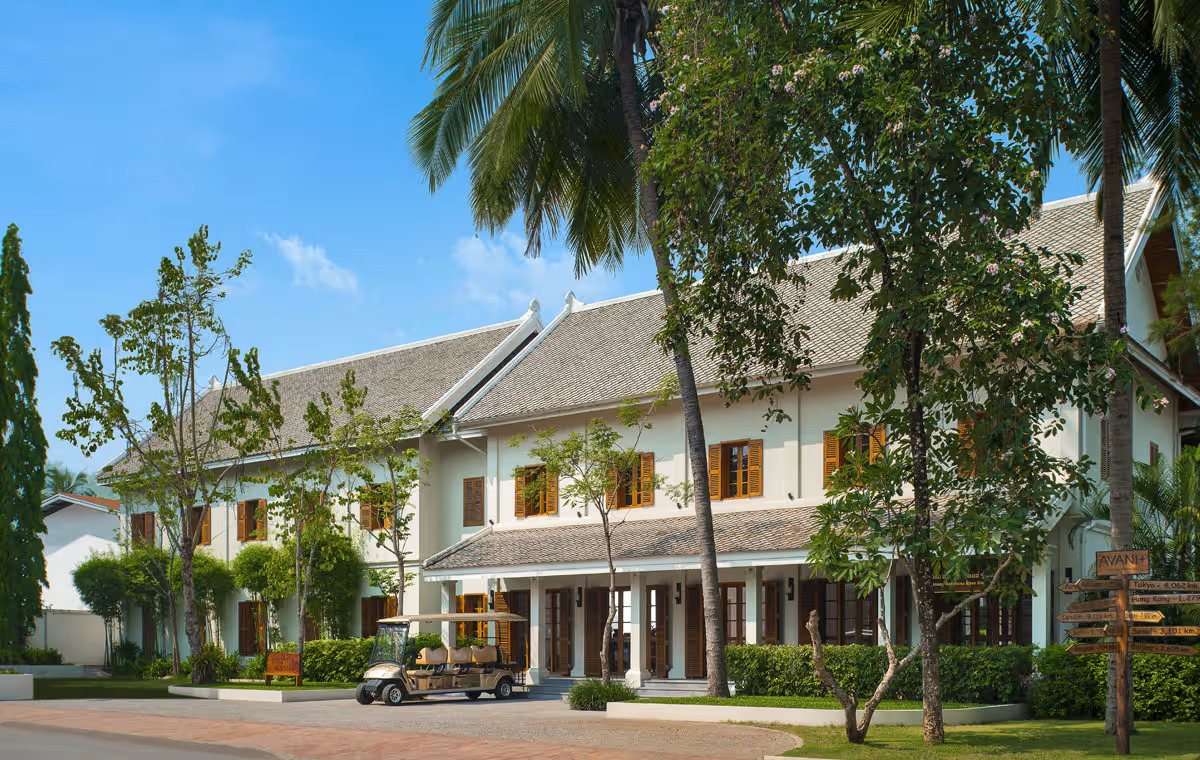
Modern travel often trades character for convenience. Standardised hotel rooms offer consistency, but they can easily detach you from the destination outside your window. Heritage hotels flip this script entirely. By repurposing historical estates, ancient palaces, and centuries-old structures into boutique stays, these properties act as living portals into a region’s soul. Here are six compelling ways choosing a heritage hotel deeply elevates your cultural experience as a traveller.
Living Inside Authentic Architectural Traditions
When you step into a heritage property, you aren’t just observing local architecture; you are inhabiting it. From hand-carved wooden beams and original courtyard layouts to restored fresco ceilings, every corridor tells a design story. These structural details reflect the craftsmanship, climate considerations, and aesthetic values of the era in which they were built, giving guests a passive yet profound education in historic design.
Immersive Storytelling in Every Corner
Unlike modern accommodations built from identical blueprints, heritage properties carry distinct provenance. The room you sleep in may have once housed regional royalty, served as a historic merchant trading hub, or hosted pivotal historical events. Hotel staff often act as passionate curators, sharing generational folklore and stories about the building’s lineage that you will never find in standard travel guides.
Culinary Offerings Rooted in Regional Heritage
Dining at a heritage property goes far beyond standard international buffets. These hotels typically take pride in preserving traditional culinary methods and regional heirloom recipes passed down through generations. Guests get to savour forgotten local delicacies, seasonal dishes prepared with time-honoured spices, and dining rituals that reflect the authentic local food culture.
Direct Access to Traditional Arts and Crafts
Heritage stays often act as patrons for local artisans, actively preserving endangered regional crafts. Whether through hand-woven textiles in the guest suites, custom-made local pottery, or live demonstrations by native craftspeople on the hotel grounds, guests gain direct access to traditional art forms, allowing them to forge a meaningful connection to the local creative economy.
Seamless Connection to the Surrounding Neighbourhood
Most historic structures were originally built at the social and geographic heart of a city or town. In Laos, for instance, the Avani+ Luang Prabang Hotel is one of the best hotels to stay in Luang Prabang for culture and heritage lovers, as it places guests right in the heart of a UNESCO World Heritage Town. When you choose such properties, stepping outside the hotel door immediately immerses you in the living culture of the community, eliminating the barrier between the traveller and the locale.
Supporting Sustainable Heritage Conservation
Opting for adaptive reuse over new construction is one of the most sustainable choices a traveller can make. By staying at a heritage hotel, your travel spending directly supports upkeep, preservation, and restoration of historic architecture. It ensures that regional heritage assets remain economically viable and protected for future generations rather than falling into disrepair.
Conclusion
A trip becomes memorable when it shifts from passive sightseeing to active experience. Heritage hotels bridge that gap, transforming your place of rest into the centrepiece of your journey. By wrapping comfort in history, authentic gastronomy, and local craft, these unique properties ensure your travel story starts long before you even step outside your hotel room.