


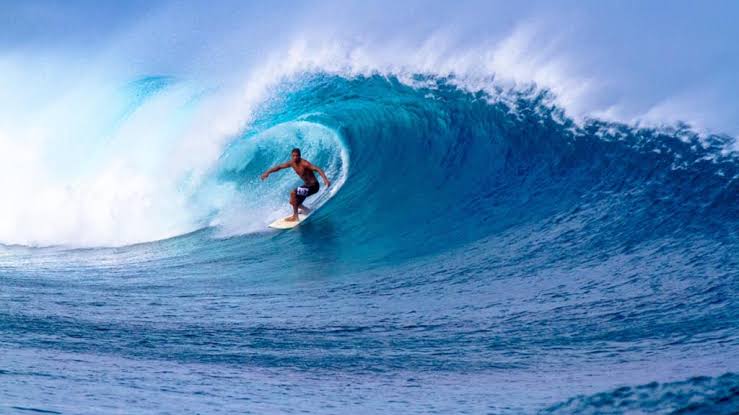
Surf Resorts vs Dive Resorts: Choosing The Right Stay in Paradise
The Maldives is a dream destination for ocean enthusiasts, offering crystal-clear waters, coral reefs, and exciting opportunities for marine adventure. Two particularly popular choices are surf resorts and dive resorts, each providing a distinctive way to explore the Indian Ocean. Surfing focuses on wave conditions and surface-level excitement, while diving reveals remarkable underwater ecosystems and marine life. Choosing between these experiences requires careful consideration of activity preferences, seasonal conditions, facilities, accessibility, and overall costs. Understanding these differences helps travellers plan a fulfilling island holiday.
Overview: Surf Resorts vs Dive Resorts
| Comparison Factor | Surf Resorts | Dive Resorts |
| Main activity | Riding ocean waves | Exploring underwater environments |
| Natural conditions | Dependent on swell and wind | Dependent on visibility and currents |
| Facilities | Surf coaching and board equipment | Dive centres and specialised equipment |
| Accessibility | Nearby breaks or surf boat transfers | Guided boat dives and house reefs |
| Cost and experience | Surf access, lessons, and equipment | Certification, equipment, and dive excursions |
Ocean Activities and Adventure Experiences
The fundamental difference between surf and dive resorts lies in how guests experience the ocean.
Surfing involves riding waves along reef breaks, offering excitement, physical activity, and opportunities to develop balance and technique.
Diving, meanwhile, allows visitors to explore coral formations, tropical fish, and larger marine species beneath the surface.
Travellers searching for Maldives resorts for surfing should prioritise suitable breaks, experienced instructors, and convenient wave access. Those interested in diving should examine reef quality, dive-site variety, and available certification programmes.
The best option depends on whether travellers prefer active surface adventures or immersive underwater exploration.
Seasonal Conditions and Ocean Visibility
Seasonal conditions significantly influence both activities.
Surfing in the Maldives is often particularly rewarding during the southwest monsoon period, when consistent swells can create favourable waves. However, ideal surfing conditions vary between atolls and individual reef breaks.
Diving conditions depend on underwater visibility, currents, weather, and marine activity. Certain periods may offer clearer water, while stronger currents can attract interesting marine life at particular sites.
Travellers should investigate regional conditions rather than assuming all Maldivian islands experience identical weather. Planning around preferred activities can substantially improve the holiday.
Specialised Facilities and Professional Guidance
Resorts catering to surfers frequently provide board rentals, coaching services, and guidance on nearby breaks.
Resorts like Niyama Private Islands Maldives offer access to Vodi, a renowned left-hand reef break, alongside surfing instruction and opportunities to explore surrounding waves.
Dive-focused resorts generally emphasise professional dive centres, equipment rentals, certification courses, and organised underwater excursions.
Qualified instructors play an important role in both experiences.
Beginners should verify lesson availability, safety procedures, and suitable learning environments. Experienced participants may place greater importance on advanced coaching, specialised equipment, and access to challenging locations.
Accessibility and Exploration Opportunities
Convenient access can determine how frequently guests participate in their preferred activities.
Surf resorts located beside recognised breaks allow surfers to respond quickly when conditions become favourable.
Other properties arrange boat transfers to multiple surfing locations.
Dive resorts may offer accessible house reefs, organised boat excursions, or combinations of both. A convenient house reef can be particularly appealing for snorkelling between scheduled dives. However, visiting several dive sites provides opportunities to explore different marine habitats.
Travellers should compare transfer requirements, excursion schedules, and proximity to suitable activity locations.
Holiday Costs and Overall Value
Surfing and diving can involve different additional expenses.
Surfing costs may include board rental, coaching, access arrangements, and transfers to remote breaks. Diving typically involves equipment hire, guided excursions, certification courses, and sometimes additional safety-related services.
Resort packages may incorporate selected activities, although inclusions vary considerably.
Travellers should examine whether equipment and instruction are covered before booking. Those travelling with non-participating companions should also consider alternative resort facilities.
The best value comes from selecting accommodation that supports preferred adventures without unnecessary additional expenses.
Conclusion
Surf resorts and dive resorts offer different but equally rewarding opportunities to experience the Maldives. Surf-focused accommodation appeals to travellers seeking waves, physical challenges, and dynamic ocean adventures. Dive resorts prioritise underwater exploration, marine encounters, and professional diving facilities. Seasonal conditions, accessibility, instruction, and costs should guide the decision. For travellers interested in both activities, a resort offering comprehensive ocean experiences can provide an especially memorable island escape.